About the programs
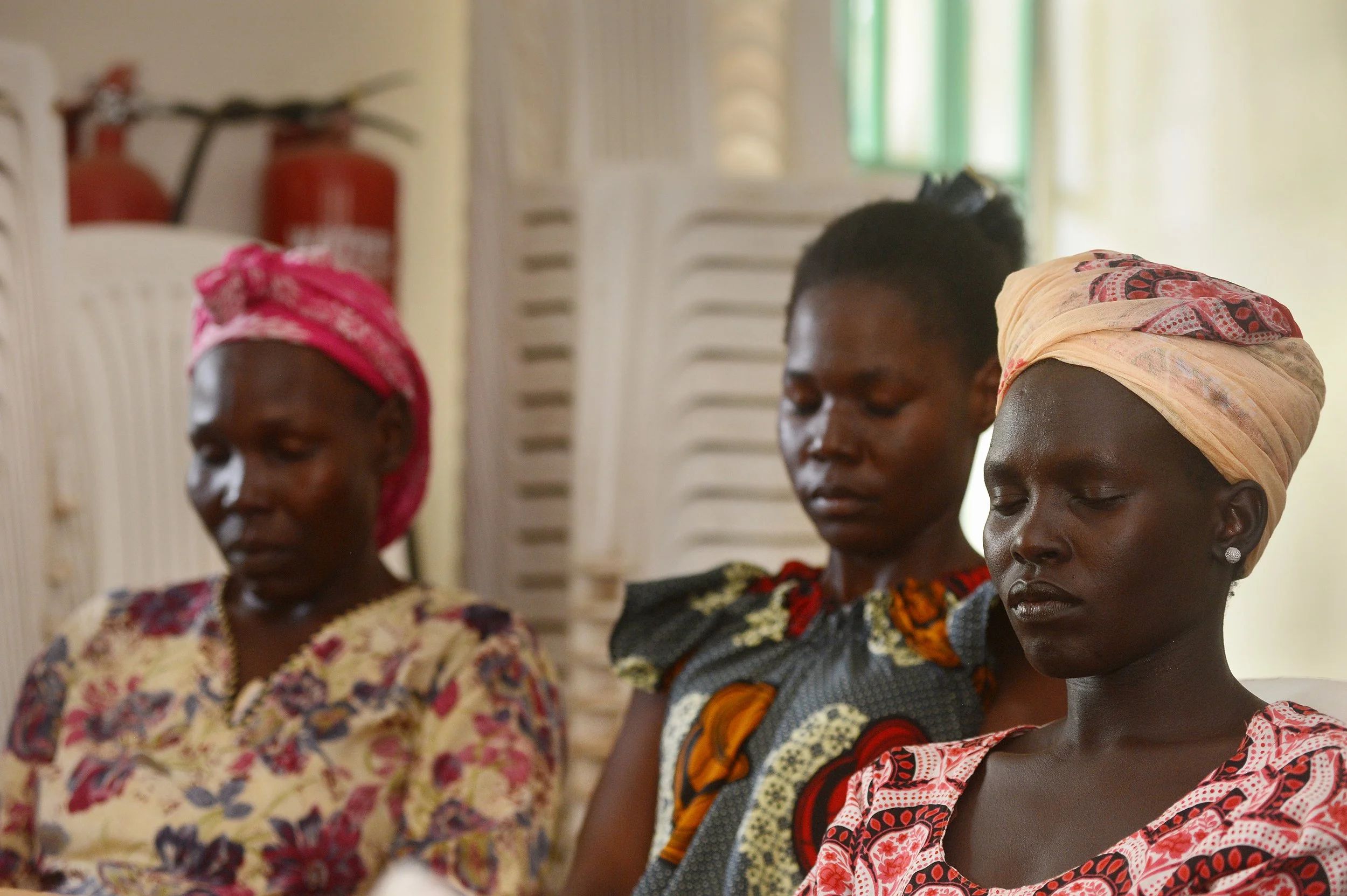
The work of Roots deepened after 2013, when renewed conflict left everybody traumatized. Nearly every household suffered loss, displacement, or fear. For founder Anyieth D’Awol, this was personal. Carrying her own traumas and those of her community, she found strength through professional training with the Center for Mind-Body Medicine (CMBM). The experience was transformative, restoring resilience and joy, and inspired her to bring these tools home.
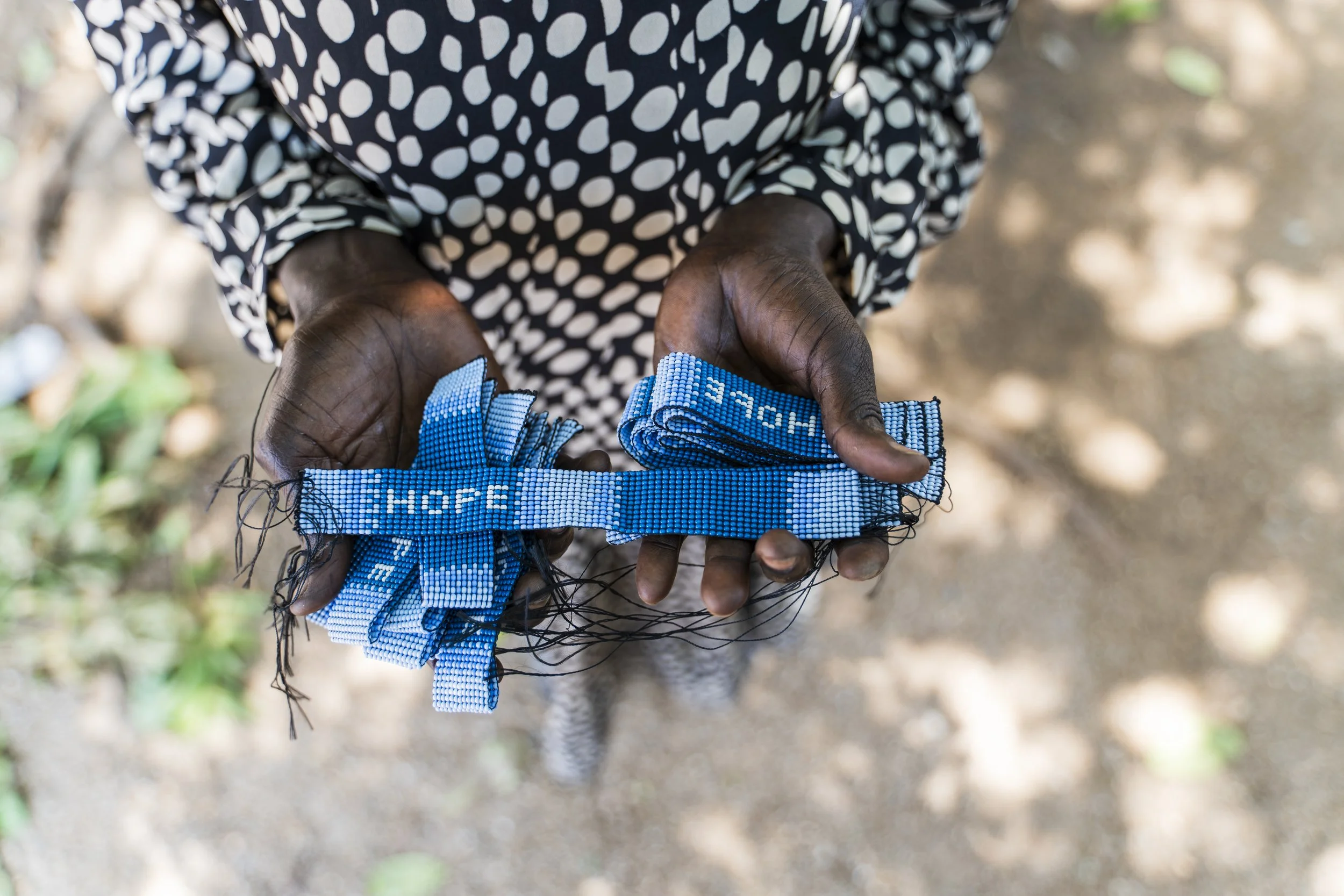
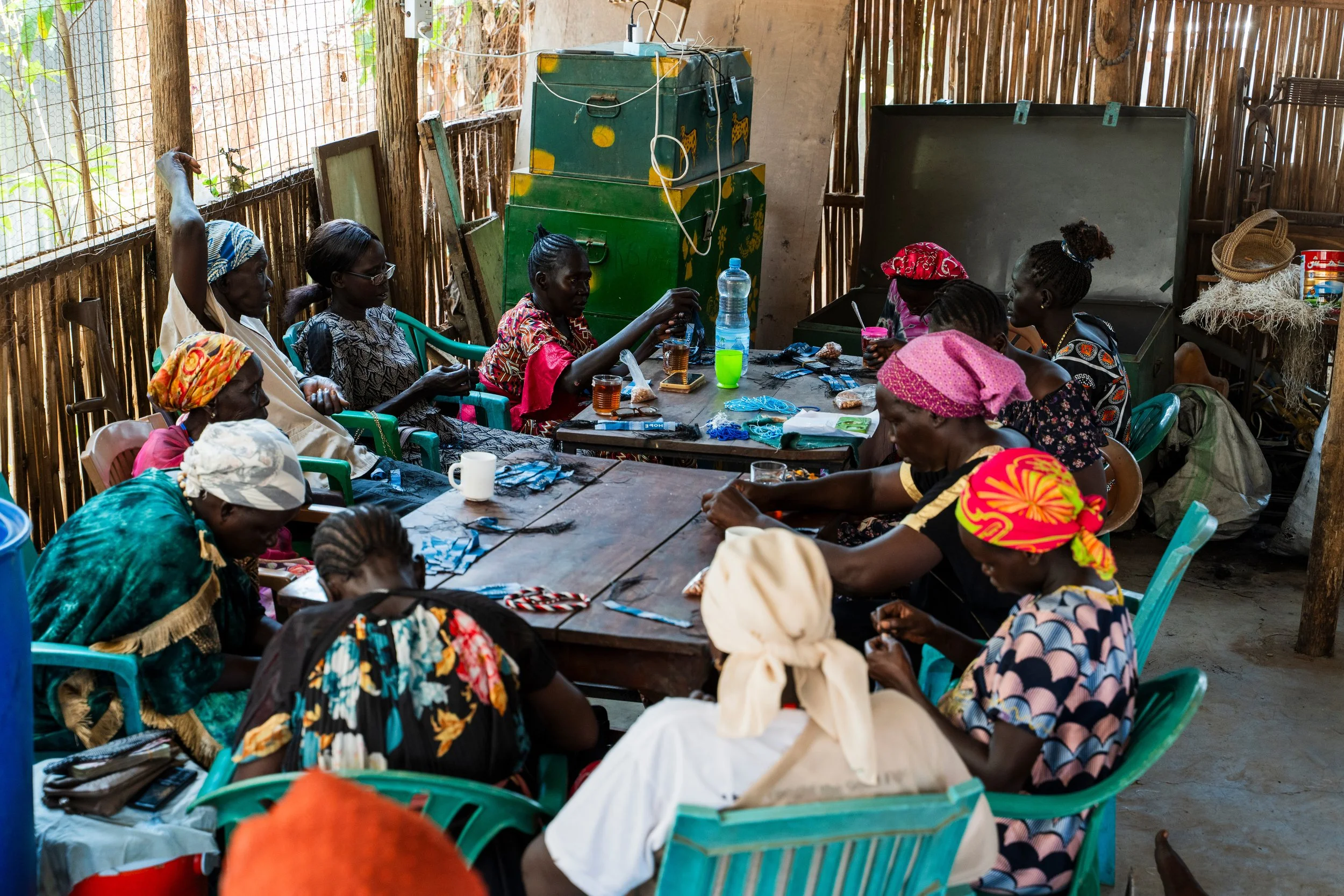
At the Centre, women earn income from traditional crafts, supporting six to ten family members each and multiplying the benefits to thousands. They share healthy daily meals, care for their young children in a safe environment, and pass down revived traditions such as ceremonial beadwork. Over 15 years, Roots women have not only built work histories but also built bridges working across cultural divides and helping heal the tribal fractures in the country.
The work of Roots deepened after 2013, when renewed conflict left everybody traumatized. Nearly every household suffered loss, displacement, or fear. For founder Anyieth D’Awol, this was personal. Carrying her own traumas and those of her community, she found strength through professional training with the Center for Mind-Body Medicine (CMBM). The experience was transformative, restoring resilience and joy, and inspired her to bring these tools home.
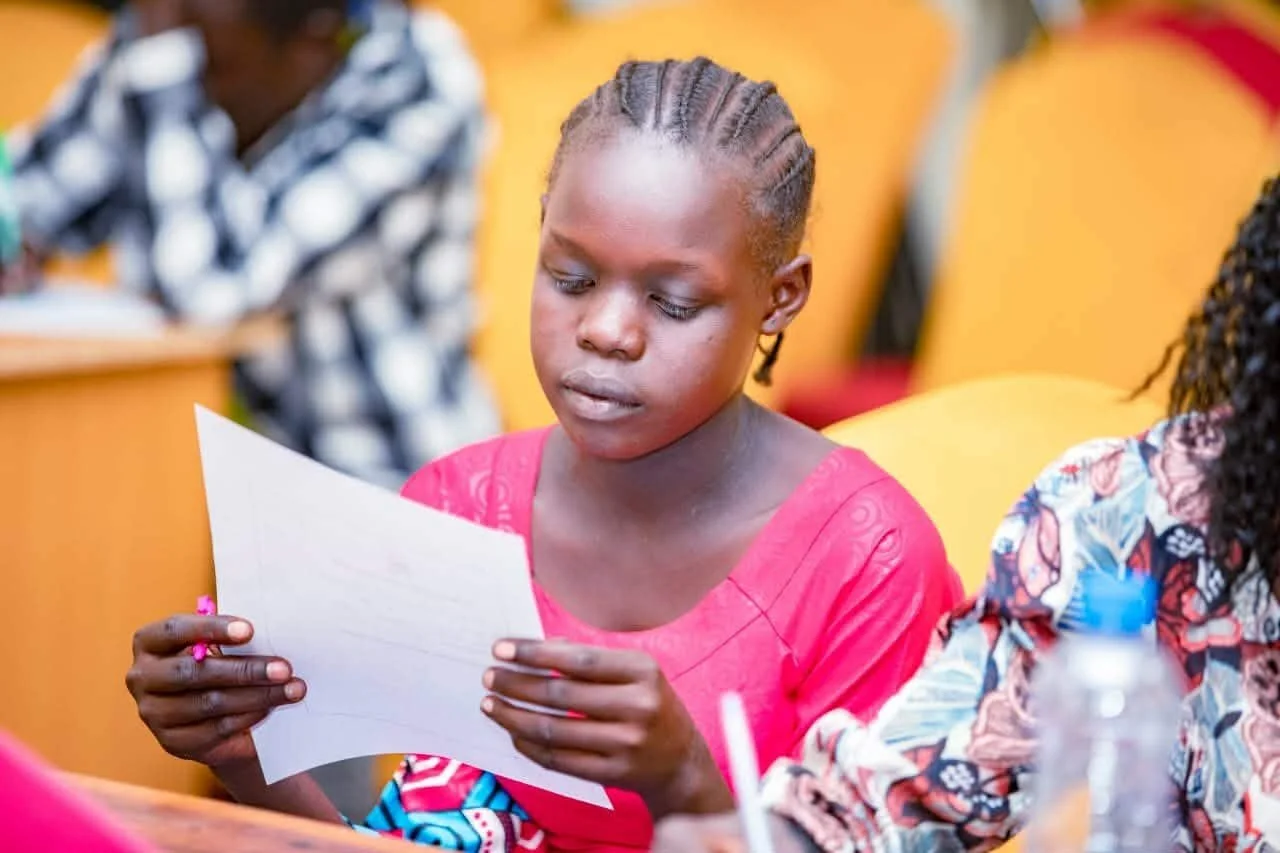
By 2018, Roots integrated CMBM’s trauma healing model into its daily work. Women gathered in healing circles, practicing meditation, mindful movement, and group sharing learning to manage stress, nurture families, and extend care to neighbors and communities. Two Roots members are now advanced CMBM facilitators, joining 24 others across Africa in CMBM-Africa, a growing network seeding trauma-informed communities. In Gorom Camp, Uganda’s Bidi Bidi and Bweyale settlements, and Kakuma in Kenya, these facilitators help refugees and vulnerable groups breathe, share, and heal.
The results are profound. Roots women now combine income generation with trauma healing, building resilience at household and community levels. Sixty-four of their children and relatives are in school through Roots Learn scholarships, ensuring the next generation grows with opportunity and hope. Crafts have reached international markets sold in the US, Europe, Asia, and Africa and through partnerships with retailers like UNIQLO, Marimekko, and John Lewis. Since 2011, Roots women have earned more than $950,000 in income.
Together, Roots of South Sudan and CMBM-Africa advance a powerful mission: to empower women, preserve culture, heal trauma, and build resilient, connected communities across South Sudan and beyond.
Roots of South Sudan was founded in 2011 with a vision to empower women through cultural preservation, economic opportunity, and community building. Women, as custodians of traditional beadwork, were given the chance to transform their heritage into sustainable livelihoods. Over time, more than 100 women became part of the Roots Centre in Juba. After the 2013 war, Sudanese and Ethiopian refugees also joined, Ethiopians in 2017 and Sudanese in 2023, further enriching the Centre’s diversity. Today, Roots unites three nationalities and 24 South Sudanese tribes, working side by side across divides created by conflict, discrimination and stereotypes.
At the Centre, women earn income from traditional crafts, supporting six to ten family members each and multiplying the benefits to thousands. They share healthy daily meals, care for their young children in a safe environment, and pass down revived traditions such as ceremonial beadwork. Over 15 years, Roots women have not only built work histories but also built bridges working across cultural divides and helping heal the tribal fractures in the country.