
Voices & Stories
Hear directly from the women and communities we serve, sharing their journeys of healing, empowerment, and transformation.
Roots Voices: Testimonials
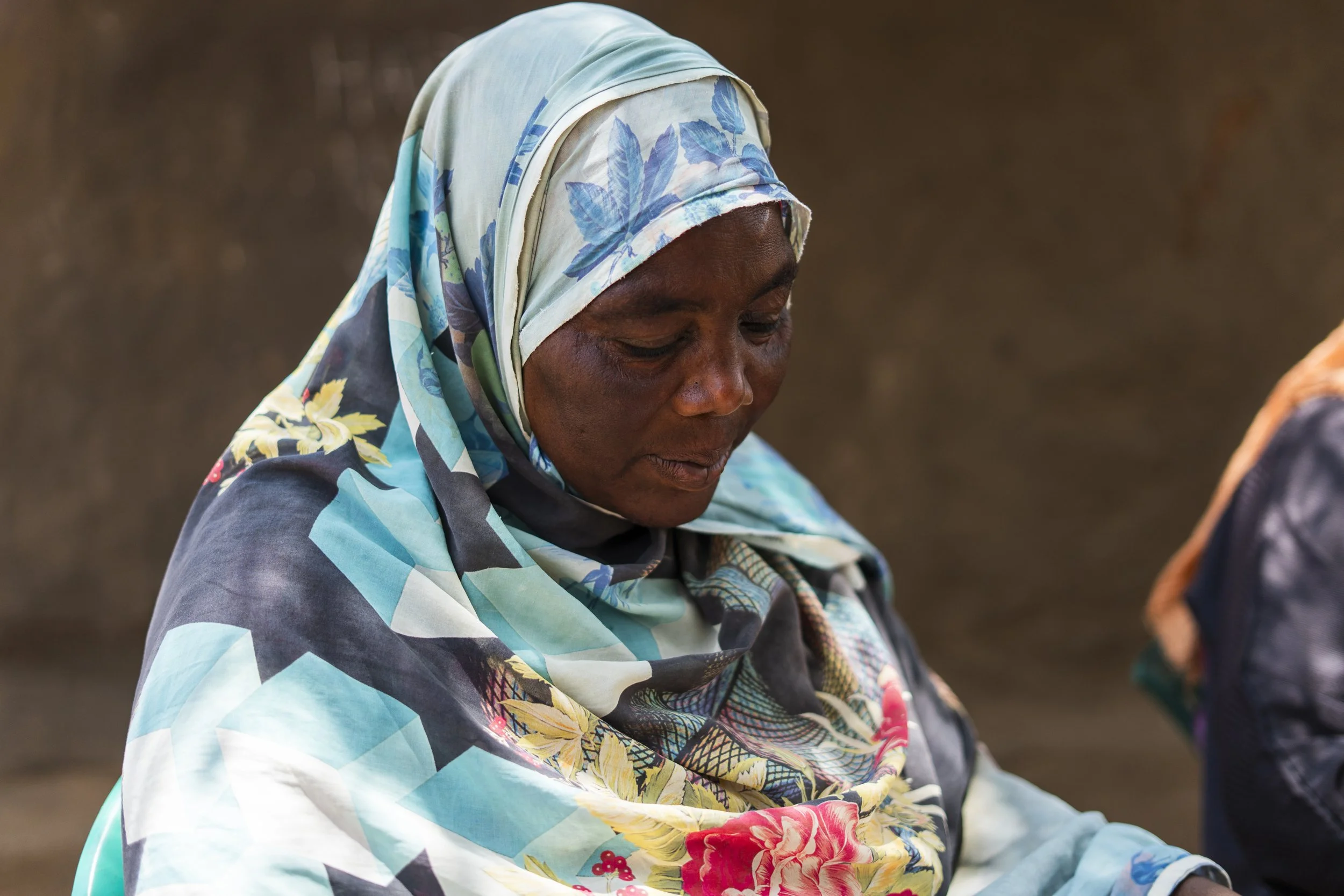
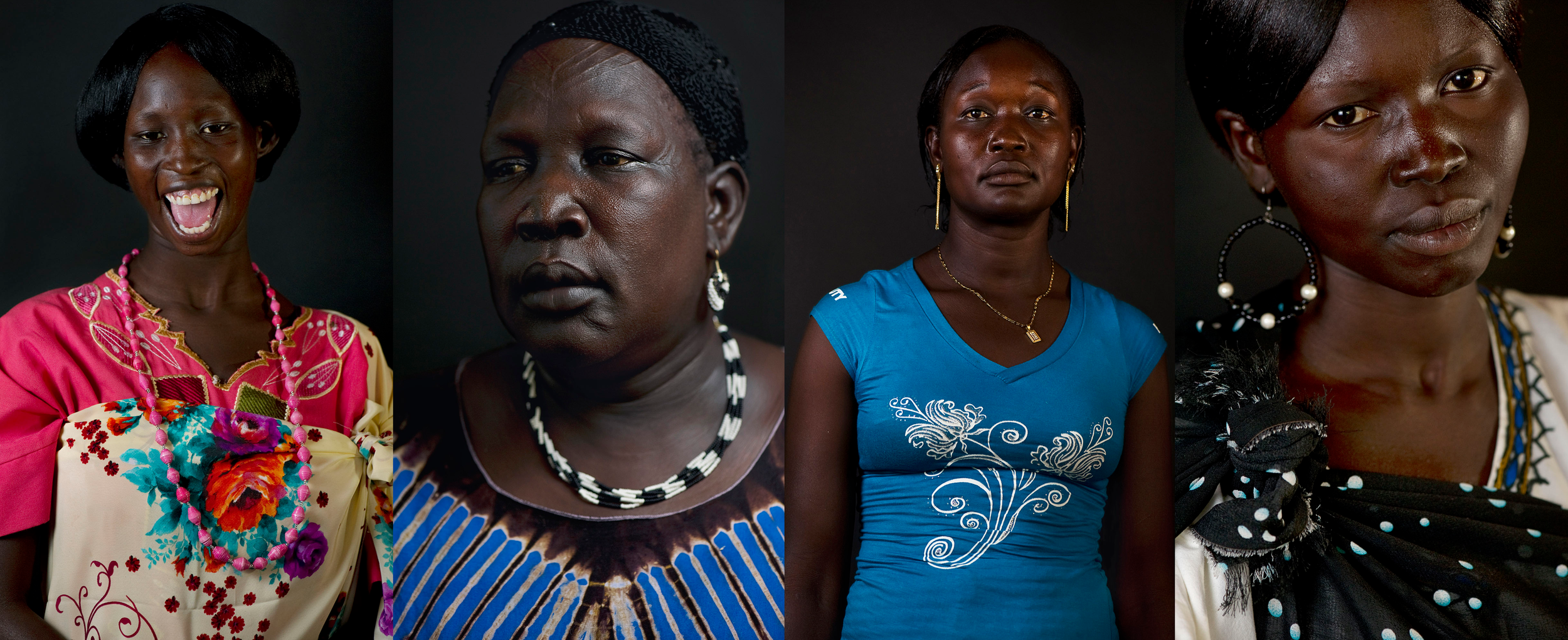
Anna Ugut
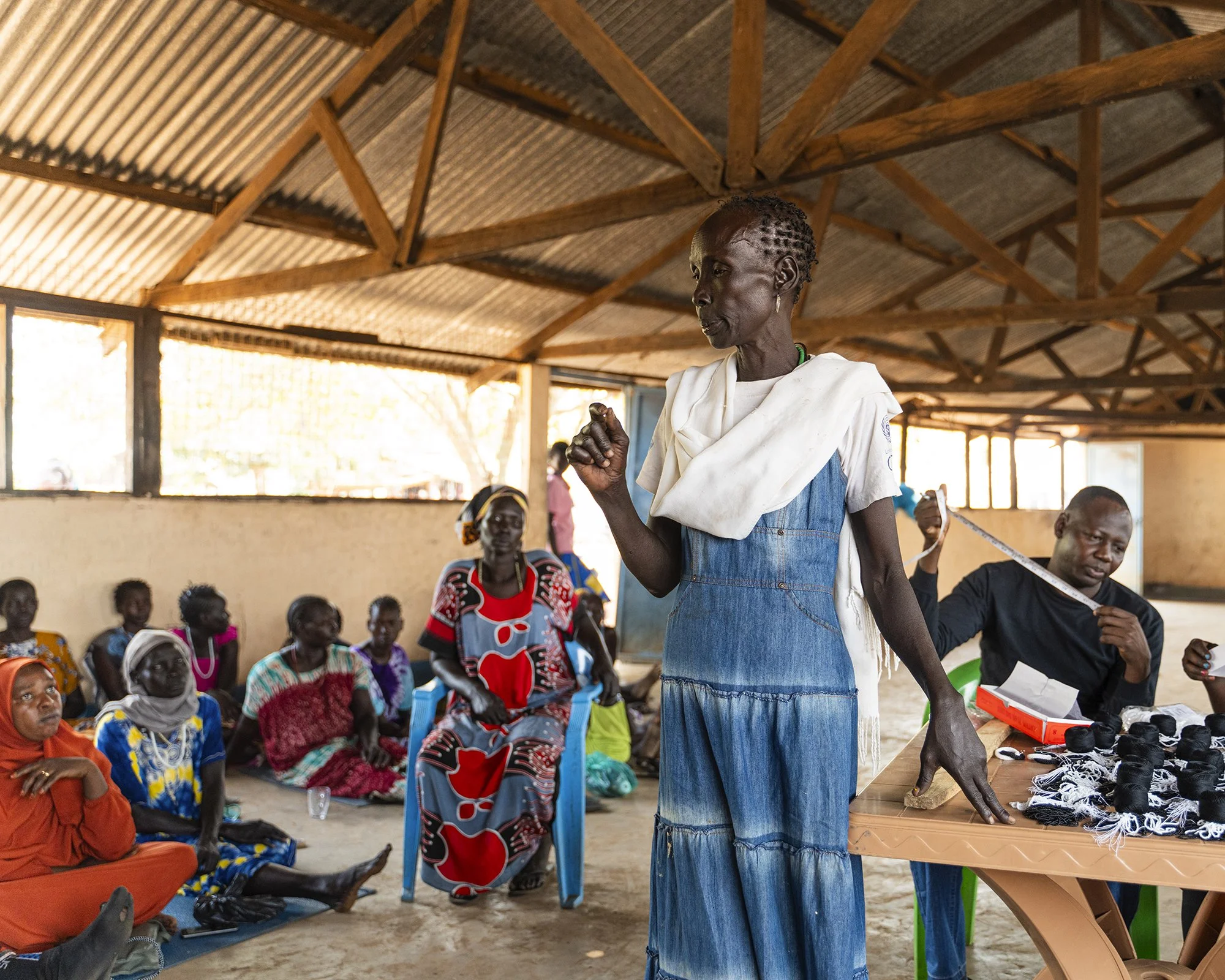
“My name is Ana Ugut. I am from the Anyuak tribe in Ethiopia. Beadwork is part of our tradition.”
Conflict forced Ana and her community to flee Ethiopia, and they eventually settled in Gorom Camp, South Sudan, where Ana has lived for 13 years. “When we started, we were six women. I taught them, and we grew to 100. We work with our hearts together.”
Back home, Anyuak women made belts, necklaces, bracelets, head decorations, and gourd covers for milk and water. “Across borders, beadwork styles vary, and I have learned from women from other tribes, including Sudanese groups, mixing new designs with our traditions.”
Today, the group continues these traditions, creating beautiful beadwork for income. “The support and income help us feed our kids, buy clothes, soap, and lotion. It also brings us together and makes us happy.”
Ana’s story shows how traditional craft preserves culture, strengthens community, and shares knowledge across borders while supporting families in times of hardship.
Mary Padar
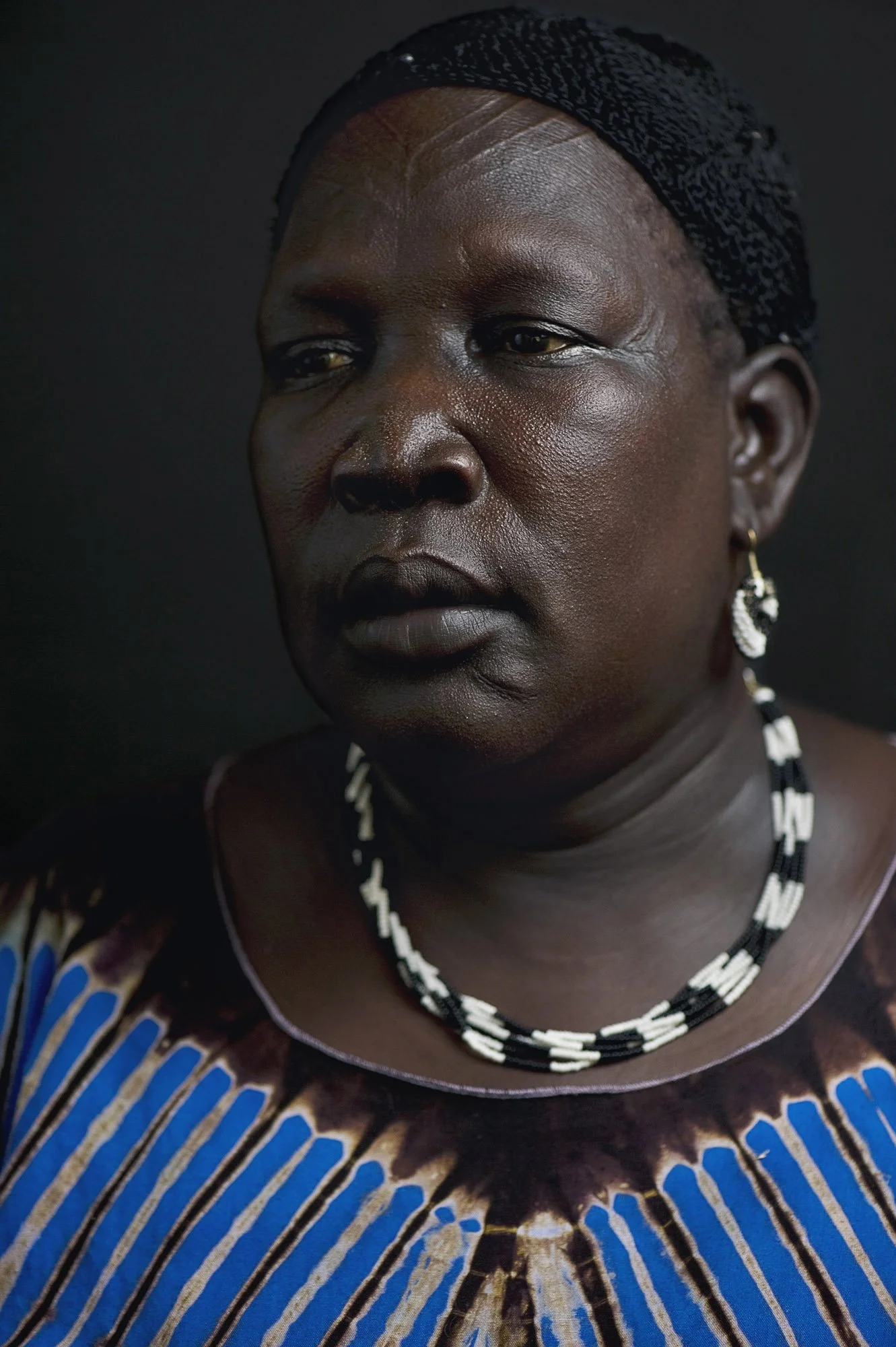
Mary Padar Athac, who is from the Dinka tribe of Lakes State, had been associated with the Sudan People's Liberation Army since 1984. She cooked and moved with the military until she was demobilized from the military in 2010. The Roots Project recruited her as part of a social reintegration program. As a member she is known as a "haboba" or grandmother and is the only one who knows how to make the beautiful Dinka corsets. She is teaching this traditional art to younger members. Padar represented the Centre in July, 2012 at the Santa Fe International Folk Art Market.
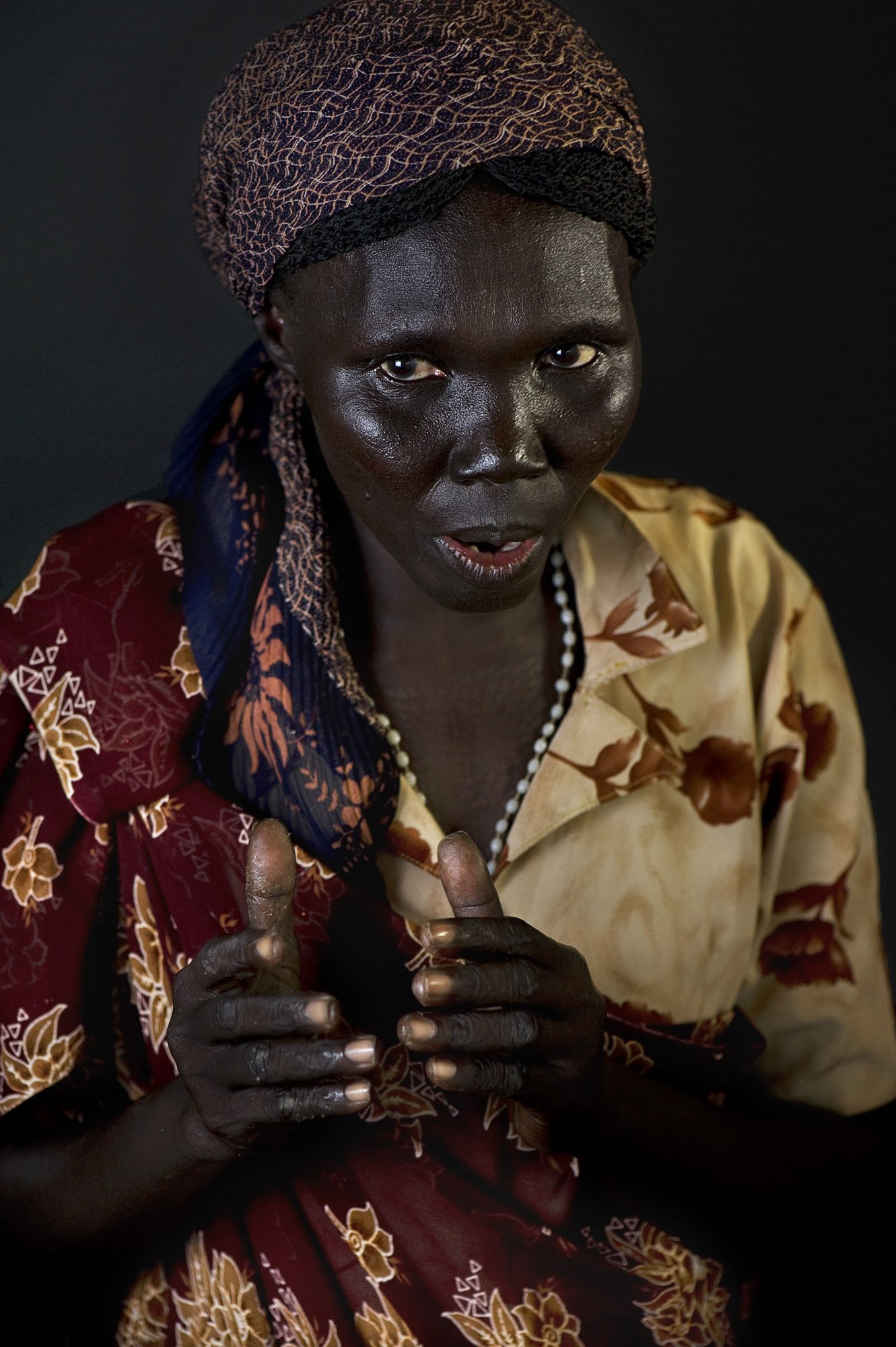
Elizabeth Juang
Elizabeth Juang moved to Khartoum in 1982, a year before the second civil war broke out in 1983 and remained there until June 2011, just before Independence. She moved back to her village in Pibor, South Sudan but her hopes for a peaceful future were dashed when her village was attacked on Christmas Day 2011. ‘People kept saying, ‘they are coming, they are coming’ but we remained in church praying.’ Then they (the attackers) came and there was shooting everywhere. I ran with my children, both of whom were born in Khartoum and had never experienced anything like this. We were in the bush for 7 days without food or water. One day we came across a puddle with dirty water and when I gave it to one of my sons, he asked me, ‘Mama, what is this? Is it custard?’ I said, ‘No, my son, its water from God, drink it.’ That is how we survived. We made it to safety and then we moved to Juba.
Elizabeth has been a member of The Roots Project since April 2012. She is a strong voice at the Center, condemning all tribal violence and emphasizing that people just suffer the same.
Amou Chan
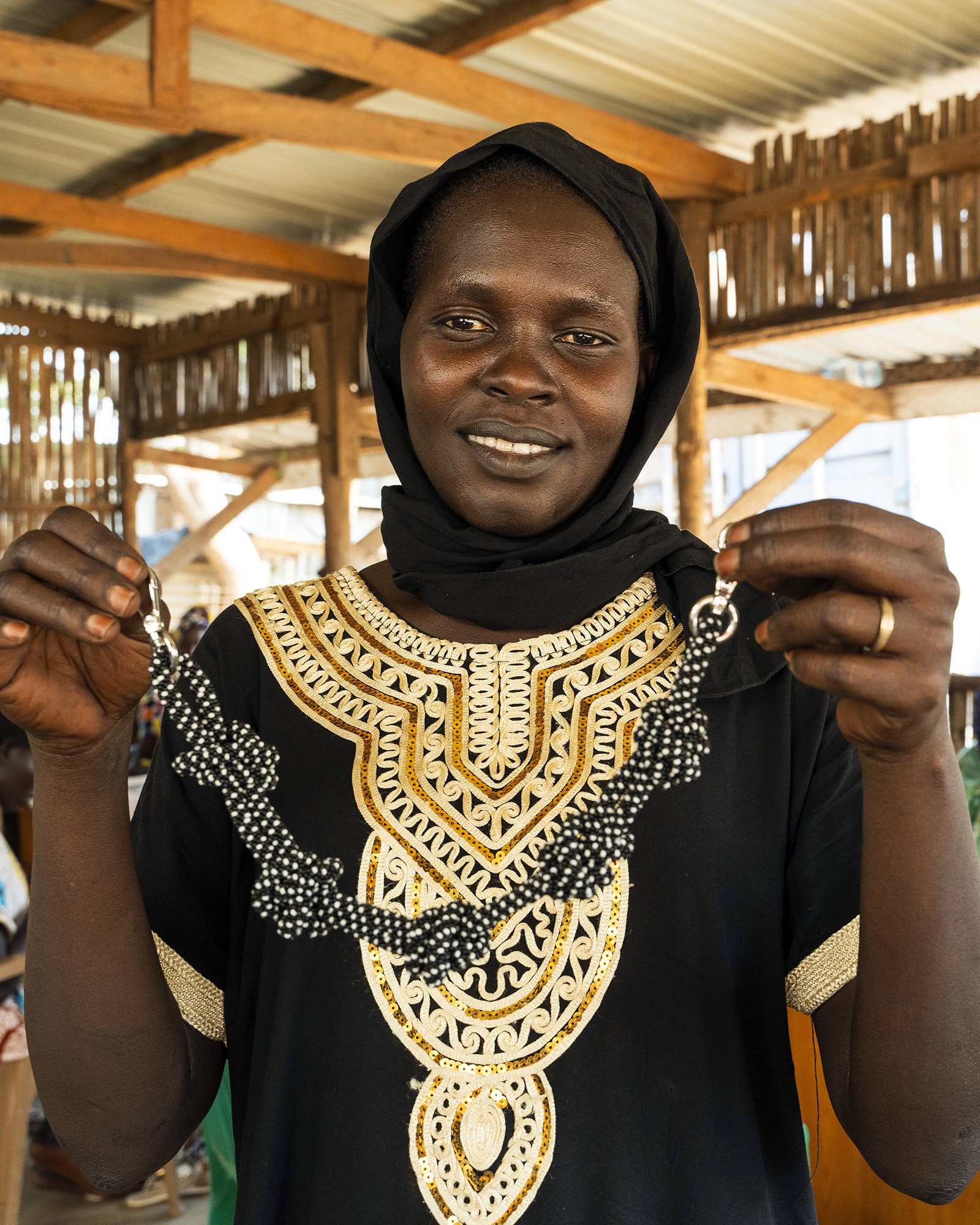
Amou Chan, from Dinka Abyei, has been part of the Roots Project since 2014. For her, Roots is dignity, stability, and hope.
“The work here at Roots helps us a lot, especially with paying for school for our kids,” she says. Each month, the women save a portion of their pay, creating security and future opportunities.
Amou also values the healing power of keeping busy: “When you are busy working, even on a small thing, it helps you stay focused and forget the problems you carried with you.” Beadwork has become both a craft and a path to resilience.
She takes pride in teaching others, including refugees from Khartoum. “The small income they earn helps them buy essentials like food, soap, and sugar,” she reflects.
Wire beadwork is her favorite: “It’s the part I know and do really well. Even if someone else were to tamper with it, I would notice immediately, because I understand it so well.”
Looking ahead, her hope is clear: “I hope that our project continues to expand.” Every new order means another family supported, another child in school, and another life changed.
Hanan John
Hanan John, from Wau in West Bahr el Ghazal and of the Jurchol tribe, has lived in Juba since 2010. She joined the Roots Project in 2015, encouraged by her neighbor, Ifon Philip, who was already part of the group.
Although beadwork is part of her heritage, Hanan had never practiced it herself. “I only observed it with my grandmothers,” she recalls. When she first arrived at Roots, she was a housewife with no experience. “I didn’t even know how to thread a needle… but I had a strong desire to learn.”
That desire transformed her life. With training and guidance, Hanan developed skills that became a source of pride and income. “Thanks to beadwork, I was able to support my daughter,” she says, helping her continue university in Rwanda after the outbreak of war in Sudan in 2021, while also supporting her son in high school and her young twins.
Beadwork is also healing: “When I am working, I feel happy because it takes my mind off all my worries… I never get bored or tired.” She has seen the craft evolve from simple strings to wires and new materials, opening creative possibilities.
Looking ahead, Hanan hopes the project grows and includes more women. “We need more orders, as they help us improve our skills and expand our knowledge.” For her, every order is a step toward education, creativity, and a safer future for her family and community.
Dudu Vaida
Viada Dudu Michael has been part of the Roots Project since 2011 and now serves as a Quality Control Manager. Her work takes her between Juba and Gorom, where she collaborates with women from the Anuak community of Gambella, Ethiopia, and Sudanese refugees. Her role embodies Roots’ mission: learning from one another, creating across cultures, and building excellence together.
When Dudu joined Roots, she had no beadwork experience. “I began to learn the beadwork styles and cultural traditions of each group, and how to make it,” she says. Through this hands-on learning, she not only gained technical skill but absorbed the cultural stories embedded in each craft.
Today, she oversees production quality, ensuring every piece meets Roots’ standards before reaching clients. “As part of the quality control team, we also create samples for new orders,” she explains. Approved designs are distributed to women in Gorom Refugee Camp and the Juba workspace, allowing large-scale production while maintaining consistency and beauty.
Quality control is precision, mentorship and creativity for Dudu. “When I do beadwork, I teach many things, from designs to colour combinations,” she says. Her skill and confidence strengthen Roots’ reputation for craftsmanship.
Beadwork also brings personal and emotional rewards. “It has enabled me to send my children to school, and it has taught me to be creative,” she shares. The work keeps her engaged and motivated: “When there is no work, our mood is affected… but when we receive beadwork orders, our motivation increases, and we work harder.”
Dudu concludes with gratitude and quiet confidence: “We always deliver on time and with the highest quality.” Her journey from learner to leader demonstrates how women, when given opportunities, become not only artisans, but teachers, leaders, and pillars of their communities.
Saadiya Idris Habib
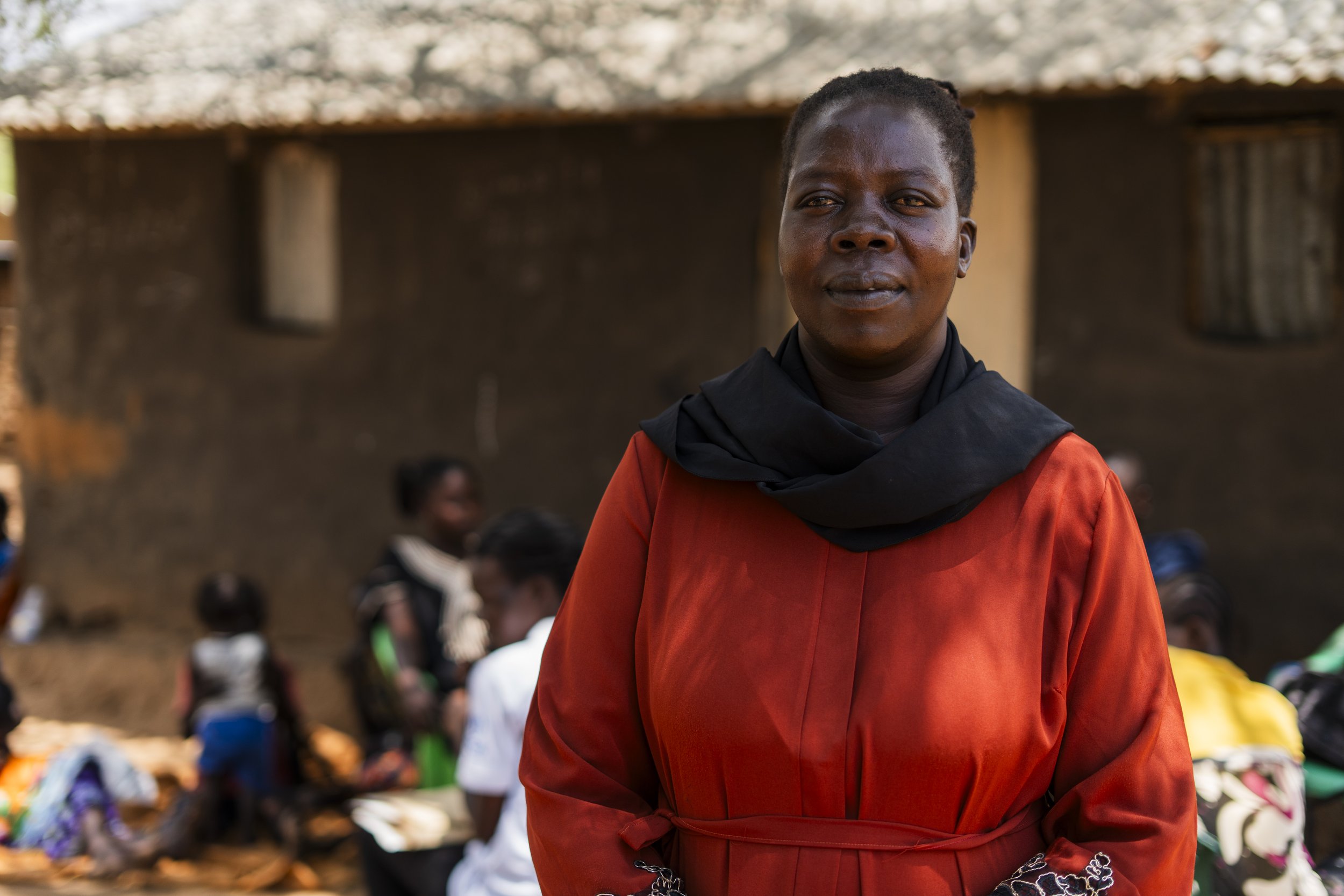
Saadiya Idris Habib came to South Sudan as a refugee from Khartoum, though her roots are in Nyala (Darfur). After building her life in Khartoum for 35 years, war forced her family to flee. In the chaos of displacement, she became separated from her daughter and two of her sons. She arrived in Gorom Camp carrying the responsibility of caring for two of her daughter’s children, determined to protect them and help them rebuild a sense of safety.
When Saadiya first arrived, the uncertainty and grief were overwhelming. Then she found the Roots workshop in the camp, where women were already gathered, creating and working together. She registered immediately, grateful for a place where she could begin again.
“We were depressed sitting at home,” she says, “but when we come to this public space we feel happy working with other people. This releases stress.” For Saadiya, the workshop quickly became a space of healing and community. Sharing coffee, conversation, and creativity with other women helps lift the weight of loss and uncertainty. “We chat with them, drink coffee together, and this takes our stress away.”
The beadwork also gives her family practical support. “When we get the payment, we go buy sugar, coffee, and so on. This actually helps a lot.” Even small earnings make it possible to provide daily essentials and care for the children now in her care.
Yet Saadiya’s vision extends beyond immediate survival. “My dream is that Sudan gets fixed, and we return to our homes and be together,” she says. Above all, she wants her children and grandchildren to grow up in safety, with access to education and the chance for a better future.
Her message to others is filled with encouragement: “I say to those who are sitting at home doing nothing to come and learn, as this will help them in the future.” She believes deeply that learning skills creates dignity, independence, and the ability to help others in turn. For Saadiya, the true value of the work is simple: “The real benefit goes back to you.”